
For Professionals
Professional knowledge for work with mothers, families and care
Julianne Rydberg offers lectures, workshops and educational collaboration for professionals and organisations working with motherhood, family life, health, education, welfare and policy.
Explore professional education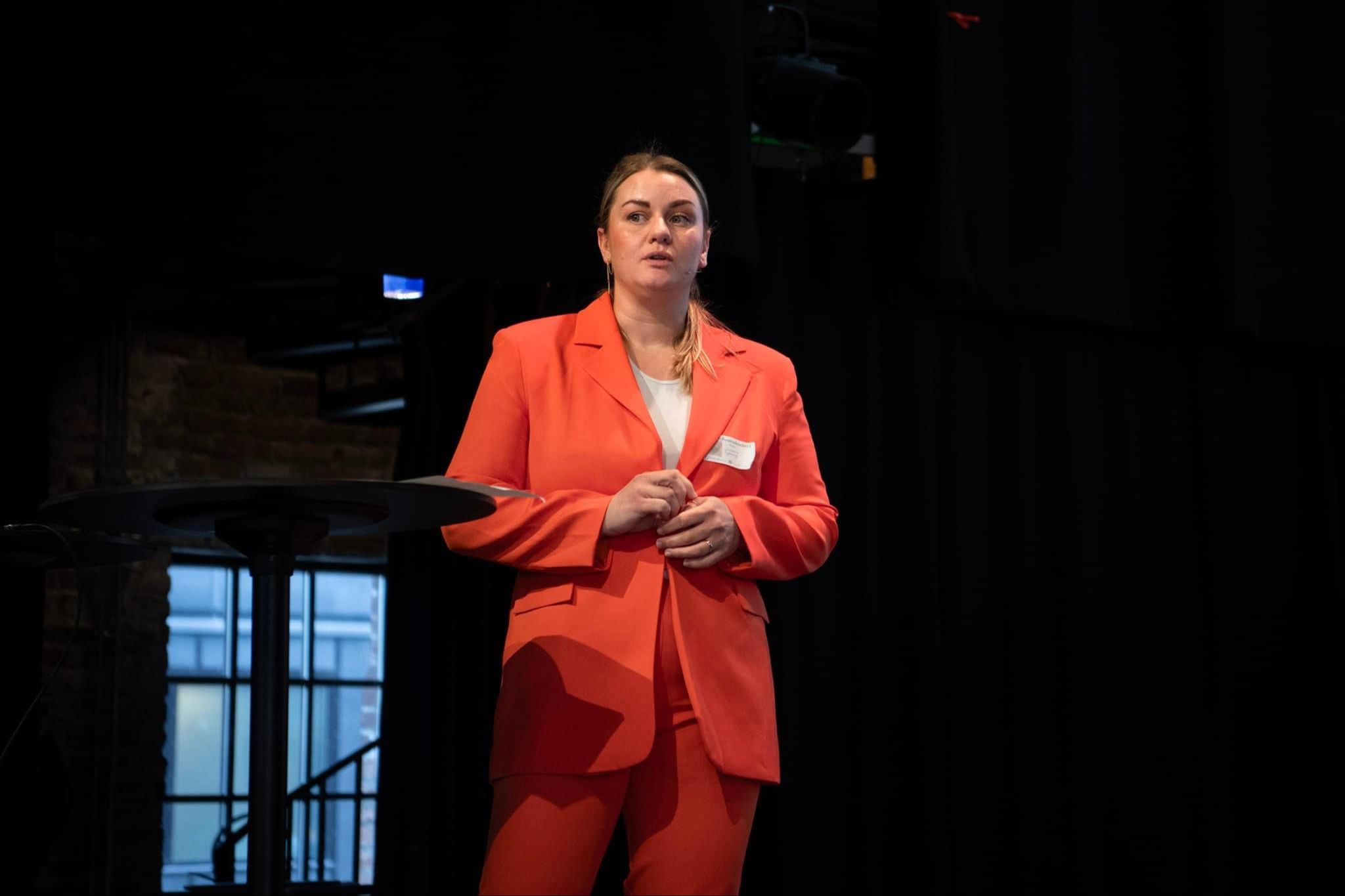
Motherhood is not only a private experience
Motherhood is shaped by history, culture, institutions and policy. This page is for professional settings that need clearer language, stronger awareness and more informed practice.
Enquire about collaborationContext before conclusion
Motherhood is not only a private experience

Motherhood is shaped by history, culture, institutions and policy.
The expectations placed on mothers influence how families are supported, how services are designed, how professionals communicate, and how care is valued.
Julianne’s work brings motherhood studies into professional settings with clarity, nuance and practical relevance. Her approach is grounded in history, education, curriculum theory, maternal norms, care ethics and contemporary research on matrescence.
For professionals and organisations
Relevant for work across care, education, welfare and policy
Health and family support
Health professionals working with pregnancy, birth, postpartum care and family health.
Psychologists, therapists and counsellors supporting mothers and families.
Education, welfare and policy
Educators, lecturers and curriculum developers.
Social workers, welfare professionals, policy makers and public sector organisations.
Organisations and workplaces
Nonprofits and organisations focused on family, gender, care and equality.
Workplaces seeking a deeper understanding of caregiving, parental transitions and maternal wellbeing.
The aim is not to simplify motherhood into a method or model. The aim is to create better language, stronger professional awareness and more informed practice.
Professional education
Lectures, seminars and workshops developed for the audience and setting
Motherhood studies in context
- Motherhood as a historical, cultural and social institution
- Matrescence and the transition into motherhood
- Maternal norms, ideals and expectations
Care, value and systems
- Care, education and the value of reproductive labour
- Motherhood in welfare systems and educational policy
- How professional language shapes mothers’ experiences
Each session is developed in relation to the audience, setting and professional purpose. Lectures and workshops can be introductory, research-based, reflective or practice-oriented.
Collaboration
Research-informed work with organisations
Julianne collaborates with organisations that want to strengthen their understanding of motherhood and care in professional contexts.
Work can be delivered in English or Norwegian, online or in person.
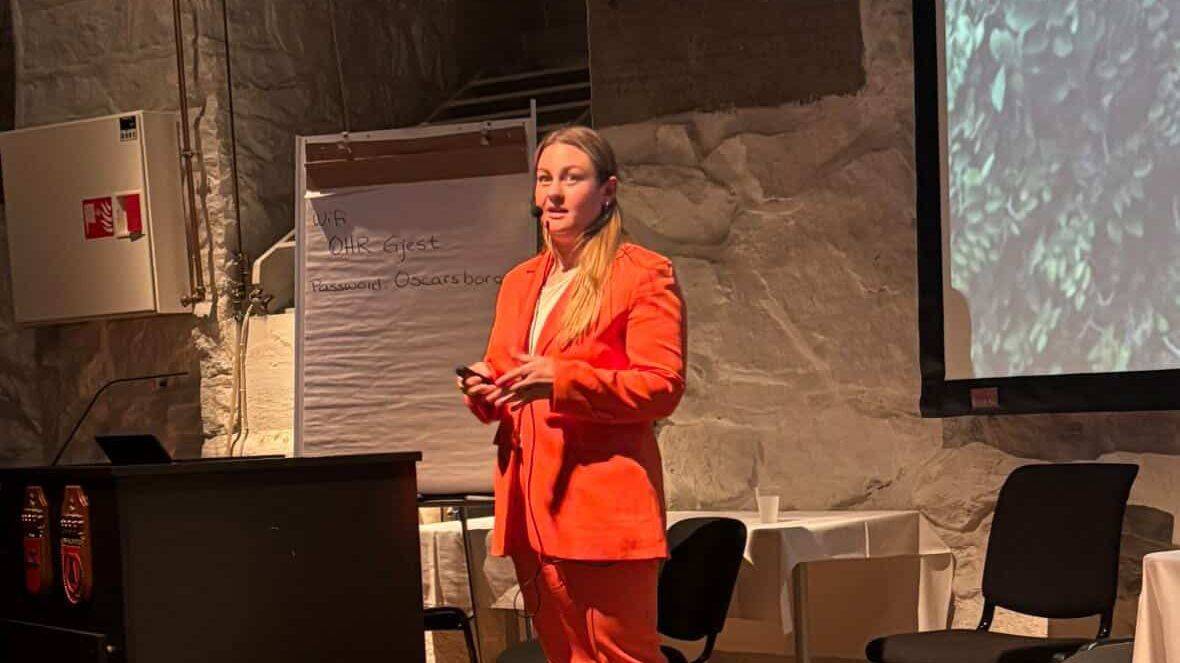
Collaboration may include
- Guest lectures
- Staff development sessions
- Workshops and facilitated reflection
- Educational programme development
- Curriculum input and review
- Research-informed content development
- Public conversations, panels and moderated discussions
Professional testimonials
What professionals are saying
Practitioners and leaders use Julianne’s work to understand motherhood in its historical, social and embodied context, and to bring that understanding into care, leadership and workplaces.
“I am still deeply fascinated by how our history, when it becomes wordless, lives through our bodies. This work has given me the language I was missing and a much deeper understanding of working with women. It has been an eye-opener.”
Anna Pi Møller, psychotherapist, Denmark
“Julianne brings rare historical knowledge to pregnancy, birth and postpartum care. She weaves past and present together in a way that makes matrescence and the history of motherhood relevant for professionals, politicians and health-sector leaders. Her teaching gives language and context to issues that shape care today.”
Cathrine Trulsvik, midwife, author, organiser of FødselsFestivalen and founder/leader of BirthRights Norge
“As a psychologist in primary healthcare, understanding the historical lines around motherhood, especially normative motherhood, is highly useful. Seeing motherhood as a social institution, alongside matrescence, has changed my basic understanding of mothers’ experiences. I can now meet female clients and mothers in a more informed and validating way.”
Victoria Sannes, psychologist, participant in Motherhood Studies Norge
“I work with women’s health in working life, and a broader understanding of motherhood, history and attitudes is essential. When we look at life phases, including the pregnancy penalty and menopause penalty, it becomes easier to talk about potential and possibilities, for both mothers and employers.”
Anita Hegge, founder of HVILD AS
For norske fagpersoner
Motherhood Studies Norge
Et 12 måneders sertifiseringsprogram i Motherhood Studies for deg som vil forstå morskap, matrescence, maternal identitet og omsorgsarbeid med større historisk, kulturell og faglig dybde.
For jordmødre, terapeuter, psykologer, pedagoger, helsepersonell, veiledere og andre fagpersoner som arbeider tett på mødre, barn og familier.
A calm, research-informed approach
Academic without being inaccessible
Julianne combines historical perspective, educational analysis and maternal theory in a way that helps professionals see familiar questions more clearly.
The focus is on understanding before intervention. On context before conclusion. On the systems, norms and ideas that shape mothers’ lives.